
Meet Donna
Teaching Philosophy
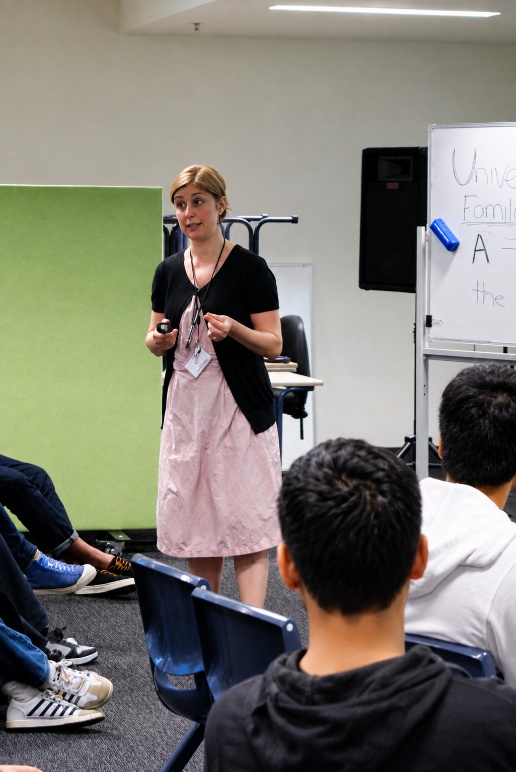
My teaching philosophy begins with a simple premise: all learners are capable of growth. They are most likely to realise that potential when teaching combines high expectations with appropriate support, intellectual challenge, meaningful participation, and a genuine sense of belonging. I, therefore, view teaching not as the transmission of knowledge, but as the deliberate creation of conditions in which learners can question, connect ideas, take intellectual risks, develop confidence, and assume increasing responsibility for their learning.
Inclusion and differentiation are central to this approach. Learners bring different abilities, experiences, identities, languages, prior knowledge, and ways of engaging with learning. Rather than treating these differences as exceptions to accommodate, I seek to anticipate learner variability when designing curriculum, instruction, assessment, and support. Expectations remain high, while pathways towards achievement may differ. For me, inclusive practice means removing unnecessary barriers without reducing intellectual challenge.
Culturally responsive teaching is integral to creating such environments. Culture, language, identity, and experience shape how learners encounter education and contribute to it. Understanding who learners are informs the examples I select, the activities I design, the questions I ask, and the opportunities I provide for participation. Relationships matter equally. Respect, consistency, and trust create the conditions in which learners can ask questions, make mistakes, consider different perspectives, and contribute with confidence.
Students learn through action, reaction, interaction, questioning, discussion, practice, creation, and reflection—not by remaining passive recipients of information.
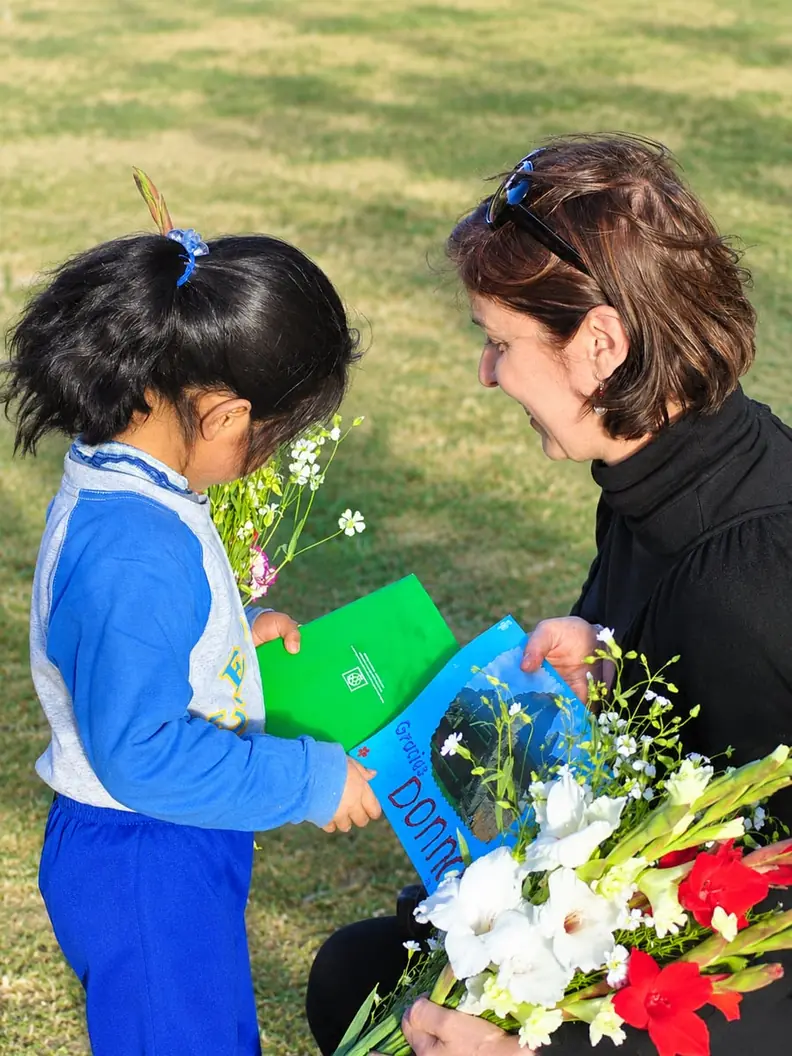
My practice is informed by constructivist and sociocultural understandings of learning as both cognitive and social. Students need opportunities to act, react, interact, question, discuss, practise, create, and reflect rather than remain passive recipients of information. I use dialogue, modelling, scaffolding, authentic tasks, collaboration, and purposeful feedback to connect new learning with prior understanding and build independence. These principles underpin my work in academic and professional literacies, academic development, inclusive educational practices, and teacher training, where learning must ultimately move beyond knowing towards application.
Assessment is part of learning rather than simply its endpoint. Evidence gathered through assessment, observation, feedback, and interaction helps me identify progress, misconceptions, and emerging needs, then determine what should happen next. This may involve extending, differentiating, reteaching, scaffolding, or approaching learning differently. Experience teaching and supporting learners from Reception to PhD level across school, university, and international contexts has reinforced one principle above all: effective teaching requires responsiveness because no single approach serves every learner, context, or purpose.
The same expectation of growth applies to my own practice. I use evidence of student learning, feedback, professional dialogue, research, and critical reflection to examine the effectiveness of my teaching. The most important question is not simply “Did I teach it?” but “Did meaningful learning occur, for whom, and what should happen next?” This distinction keeps attention on learning rather than delivery and reminds me that teaching requires both professional judgement and a willingness to change course.
Ultimately, I regard teaching as a practice that is never complete. Just as I ask learners to question, adapt, and grow, I hold myself to the same expectation. I remain a work in progress as an educator: open to new evidence, different perspectives, changing contexts, and the lessons that students and colleagues continue to provide. There will always be something to reconsider, something to refine, and something more to learn.